I’m blessed in that my mom had “The Talk” with me well before I had to face my first period. I had a general idea of what to expect. It was still several years before it actually began, and when it finally did, I was rather excited. I was a woman! Finally, a member of the club!
Mom taught me to always carry a pad with me in my purse just in case I started unexpectedly. And she taught me to mark the calendar on the day each cycle started, count 28 days to anticipate the next.
I was pretty good at always carrying a pad just in case. I wasn’t very good at marking the calendar for the anticipated date of the next period. This was due in part to having a pretty irregular period throughout my adolescence until I had my first child. My mother never told me what to do if my period was early, late, heavy, light, or painful. Through no fault of her own, she did not communicate this information. I’m sure she just didn’t know what to do. When I would have painful periods, I turned to Midol and excessive amounts of Tylenol and Ibuprofen.
What I learned about my cycles—such as when I ovulated and how that exactly worked—I gleaned over the years by listening to other women, reading books about childbirth, and from the Catholic Church, believe it or not. From Holy Mother Church, I learned that charting was a thing and that it entailed more than just putting a little star on the calendar at the start of my period. I learned that I didn’t ovulate automatically on the 14th day of my cycle, but rather on the 18th day. There were signs, not just days, and not just moods. Thanks to NFP, I learned that checking my temperature and cervical mucus was a much more accurate way to discern fertility.
Empowered by this information, I could look further into why my periods were so painful or why my period was “late.” (Did you know your period is never late? It’s your ovulation that is actually late. Support your body to ovulate, and you will have a period 10-14 days later, like magic.)
Understanding Your Cycle
So, how does one chart their cycle? What does this look like?
First, you should understand the general principles of how your cycle works. Your cycle is counted from the beginning of one period to the beginning of the next. The average length of a healthy cycle is roughly 28 days, but this, of course, can vary.
Your cycle is divided into two phases, each with two events. The two phases are the follicular and luteal phases. And the two events are menstruation and ovulation. And while menstruation gets the spotlight, the real main event of your cycle is ovulation. This is what your body builds towards and protects. Biology aims toward procreation.
Follicular Phase
Although some charts list menstruation as its own cycle, I think it is more accurate to see it as the beginning of your follicular phase. This phase is called Follicular because your eggs are housed in little follicles. Once a cycle, one fully matured follicle releases the egg.
This phase typically lasts 14 to 21 days. At the beginning of this phase, you menstruate (the first event of your cycle), which typically lasts 3-7 days in a healthy woman. During menstruation, your hormone levels are at their lowest, which tells your brain that you are not pregnant, so you shed the lining of the uterus.
Q. What supports healthy menstruation?
Plenty of rest and lower stress. Workouts should be restorative. Eat red meat, leafy greens, dark chocolate, and seeds.
After menstruation, your body enters the late follicular phase, which lasts between 7 and 9 days. During this time, estrogen levels slowly increase as the ovaries mature certain follicles. Your body is preparing for the main event: Ovulation. Estrogen is continually climbing, preparing for a potential pregnancy (implantation of a fertilized egg), and progesterone remains low.
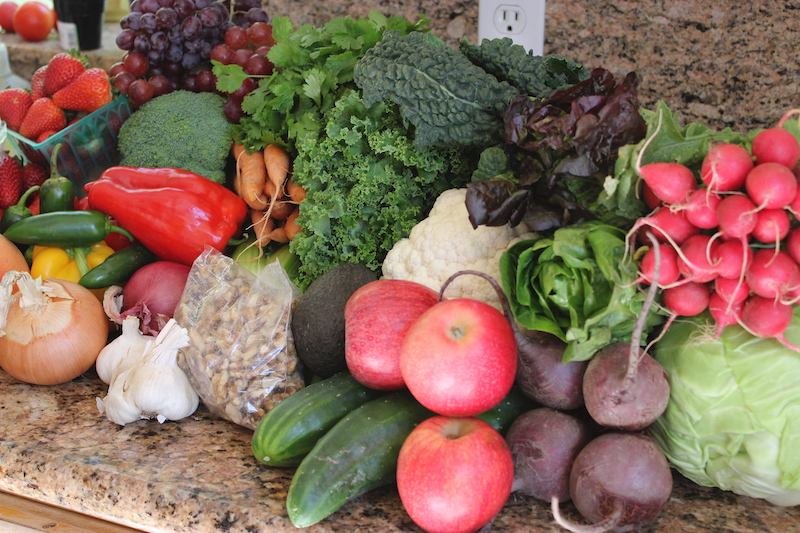
Q. What supports late follicular?
A. Cardio, fresh fruits and vegetables, oily fish, and healthy fats.
Now, your body moves into the main event, which it has been preparing for since day one: ovulation. Ovulation happens as a singular event when the dominant follicle releases the egg. However, the energy surrounding this event in your body can last 4-5 days. The egg remains alive and ready for 12 to 24 hours. Estrogen and testosterone both reach their peak levels during ovulation.
Q. What supports ovulation?
Leafy greens, beans, protein. Avoiding excessive caffeine, alcohol, and sugar.
Luteal Phase
Your luteal phase typically lasts between 10 and 14 days. This is actually a fixed length of time, while your follicular phase can vary. Once you ovulate, the luteal phase is fixed. You ovulate, you have a period. Period. Therefore, if you are not having a period, your body has not ovulated.
During this early luteal phase, which lasts 5-7 days, your progesterone levels begin to rise, which prepares the lining of your uterus for potential pregnancy. After ovulation, estrogen begins to rise again along with progesterone.
During the late luteal phases (think the week before your period), your progesterone decreases and ends production on the day before you begin your next period. All your hormones decline during this time. Your body knows it did not get pregnant on this cycle, so the lining of the uterus that you prepared dissolves.
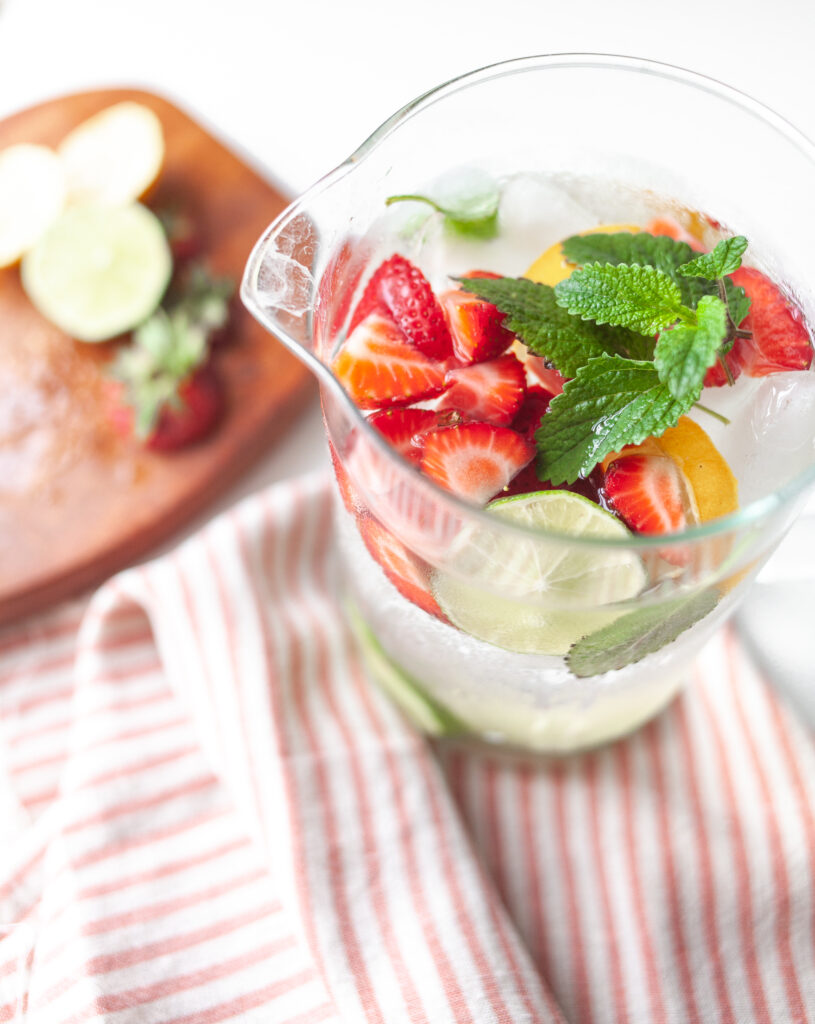
Q. What supports the late luteal phase?
A. Foods rich in magnesium and minerals, complex carbs, and adaptogens to help support mood in the absence of all the feel-good hormones.
Then you experience a sharp drop in hormones. They all just seem to not show up for work and leave you feeling very exhausted. When you see significant blood again, this cycle is over, and the new one begins.
This is a very broad view of how your body works. Understanding this cyclical way of living, eating, and moving will help you (and your partner, family, and friends) live more in sync with nature, rather than fighting against it.
Track It!
Your body is unique. You may have a 25-day cycle, while another woman has a 35-day cycle. Your period may last 3 days while another woman’s lasts 7. You may ovulate on the 14th day of your cycle, while another woman ovulates on the 20th day of her cycle.
To know, plan, and support your body, track your cycles. There are many ways to do this. There are apps (with pros and cons, as they typically only track days but not other symptoms), you can use a spreadsheet (I use one from TheSyncWay.com), or you can use a calendar or a bullet journal. What you cannot do is just rely on your memory!
On the first day of your cycle (the day you experience significant blood loss), mark your calendar as day one. When your period ends, mark that day too. On the days you ovulate, mark those.
Each day on the calendar (app, journal, spreadsheet), you list your symptoms (how do your breasts feel, how is your energy level, what is your vaginal discharge like, what is your basal body temperature, what’s your libido like, etc.) We will explore this further in future posts. For now, the first step is always to stop and notice. Count the days and notice what your body is communicating to you.
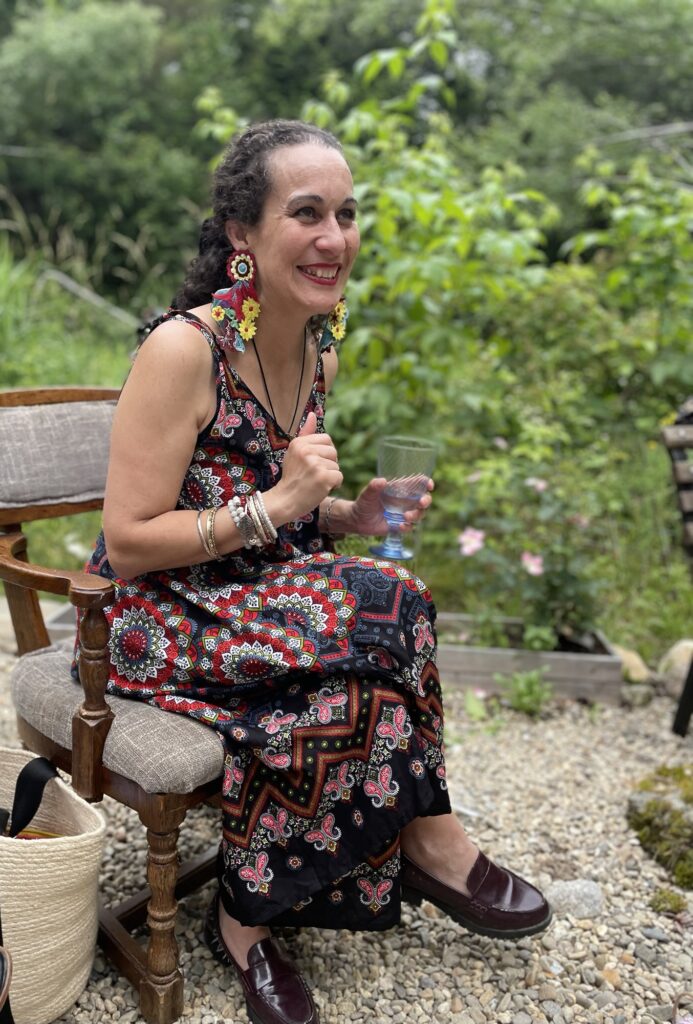
Daja Steuer believes in miracles and in using liberal amounts of cardamom in her cooking. She’s married to Jeff and their blended family consists of 11 children and a menagerie of animals. She’s a Maronite Catholic catechist, homeschooler, chef, and writer. She’s thriving with Crohn’s Disease because of functional medicine and functional nutrition. She makes her home in rural Maine, where you’ll find her hiking, whipping up something delicious, or drinking wine while reading Kahlil Gibran.
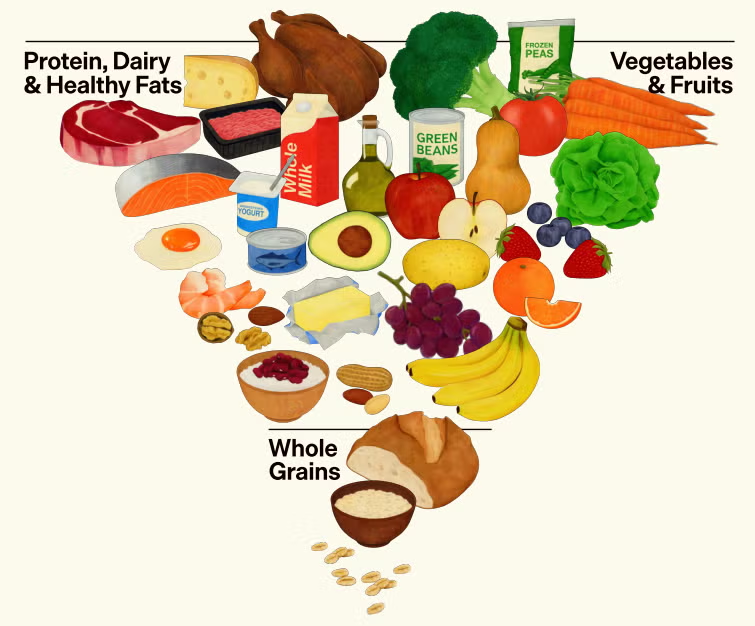 The New Food Pyramid and the Protein Panic: Why Simple Food Still Wins
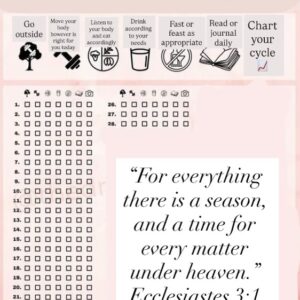 28 Days in Rhythm
 The Mystery of Friendship
 DILUTION IS THE SOLUTION