It seems, for whatever reason, that every time you create a princess, you create a start to a good story. I guess it’s because, not to put too fine a point on it, women’s lives are more interesting than men’s. Oh sure, if you review historic events, you’ll find that men have, more often than not, played key roles. But day in and day out, women have been where it’s happening. They’ve been giving birth and nursing the dying and debating the symbolism of name changes at weddings. Men, meanwhile, have been collecting paychecks and dabbling in office politics. Ho. Hum. That is a gross stereotype, but I’m sure you see my point. (Beverly Bartlett, Princess Izzy and the E Street Shuffle)
When any two people meet and the requisite small talk is undertaken, the usual beginning questions are merely biographical.
Do you live near here?
What do you do for work?
How old are your children?
How was the drive? Did you hit traffic?
If one finds what Anne would call a kindred spirit, the questions may get deeper and a lot more interesting. If not, conversation may remain about the weather, the upcoming election, or work politics. You may never know whether the other person is frightened by creeping things and whether that is tied to childhood trauma. The question of whether or not they think their grandparents went to heaven will remain unanswered. And who knows if they had to do it all again, if they would choose to have had a few more kids and a less exciting career. All the hidden things—the deep otherness of the other—will forever remain a mystery.
CS Lewis says that, “Friendship … is born at the moment when one man says to another, ‘What! You too? I thought that no one but myself . . .” This aha! moment is perhaps only possible if the conversation can move beyond talk of the weather.
There is a fairly recently coined term (first occurrence in 2012) that sums this up. It’s “sonder.” Perhaps it is tied to the French word sonder, which means to probe or to plumb. The English word sonder means the distinct realization that each and every passerby is living a life as vivid and complex as your own. No one is actually an NPC.
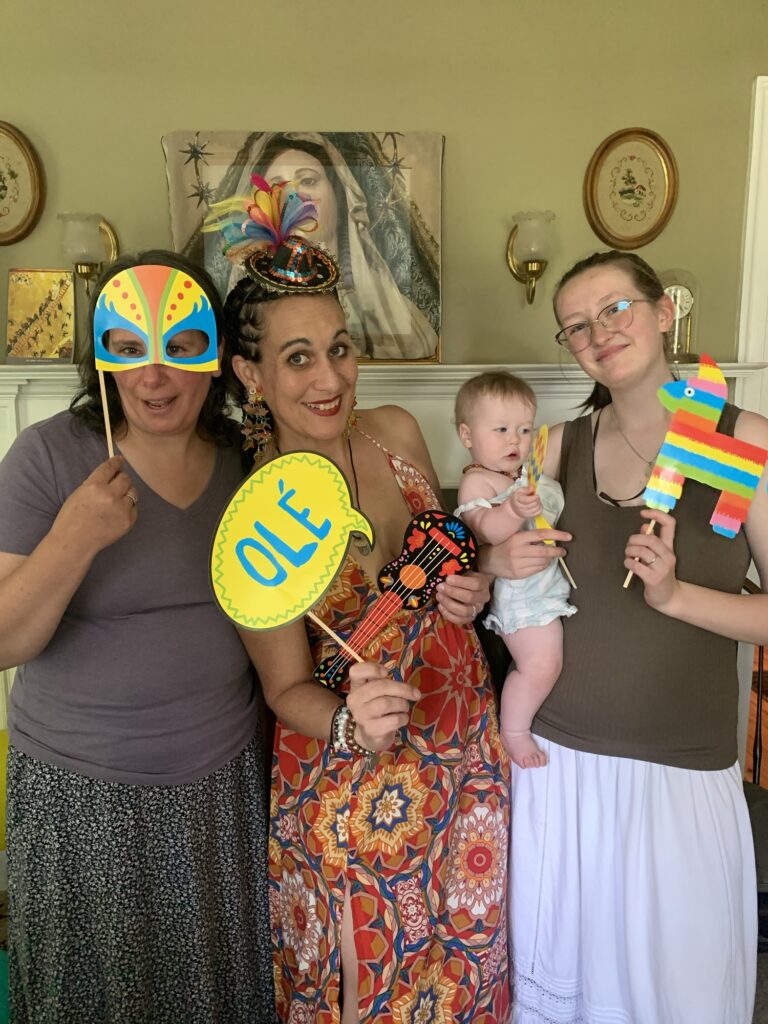
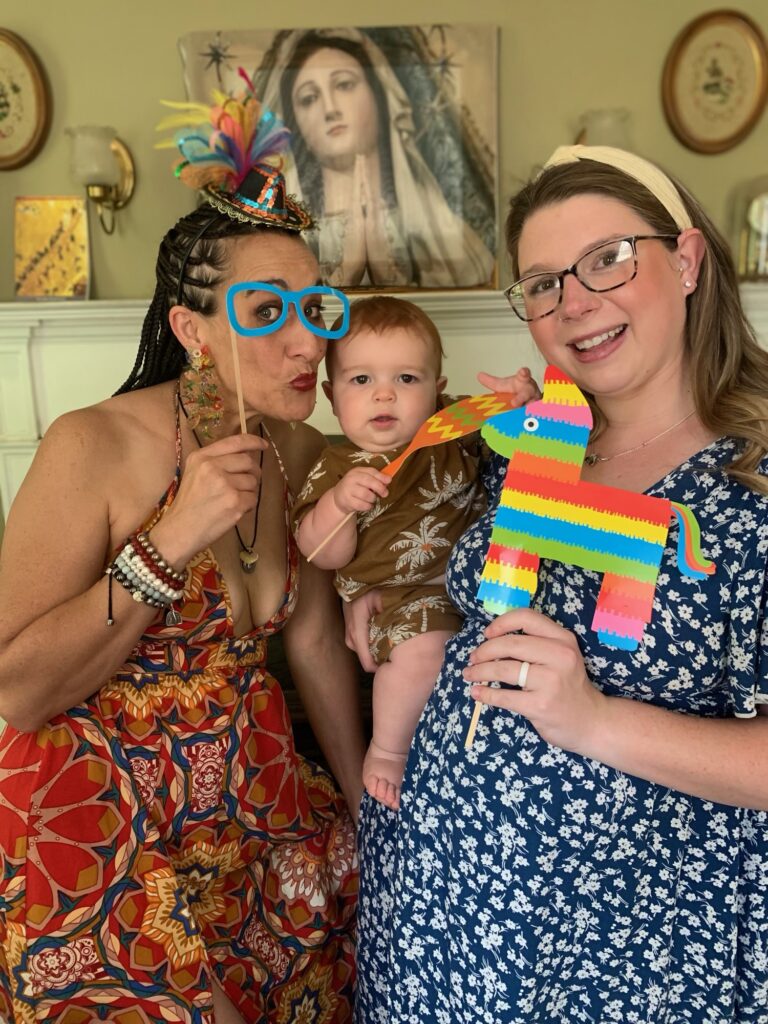

For women, this realization goes even deeper. It’s not just that the woman before you has a personal life (husband, kids, aging parents, dramatic siblings, etc.) but that she has the lived experience of womanhood. Physically, this unspoken knowing is of cycles and seasons—menstruation, ovulation, conception, birth, postpartum, and infertility. There is an understanding deep in the cells of our biology. A knowing without having to explain. Spiritually, the unspoken knowing is of nurturing, longing, weaving, holding, and persevering in a way unique to women. Remember that at the foot of the Cross, it was the women who stayed.
The philosopher and poet Gertrud von le Fort wrote that “…the unpretentious is preeminently proper to woman, which means all that belongs to the domain of love, of goodness, of compassion, everything that has to do with care and protection, the hidden, the betrayed things of the earth.” She calls this a woman’s “metaphysical significance” which holds true regardless of her state in life (young or old, married or single, childless or with children).
Without this mystery, we are left with mere negotiation, so says von le Fort. Perhaps this is why friendship between two women is different than friendship between two men or between a man and a woman. Perhaps when two women meet—regardless of whether they become bosom friends (again, to borrow from Anne of Green Gables)—they have a connection. They are both part of a secret society of sorts. Any woman can ask another woman any time, anywhere if she has a tampon or to help her zip up her jumpsuit in a public restroom. Such questions come most naturally because there is that unspoken knowing. When you’re holding a fussy baby, you need just look for an older woman to meet eyes of compassion and empathy—that knowing without having to explain.
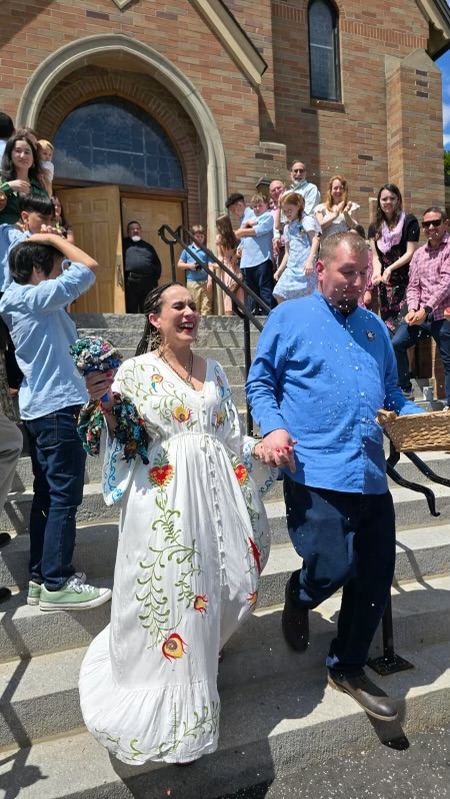
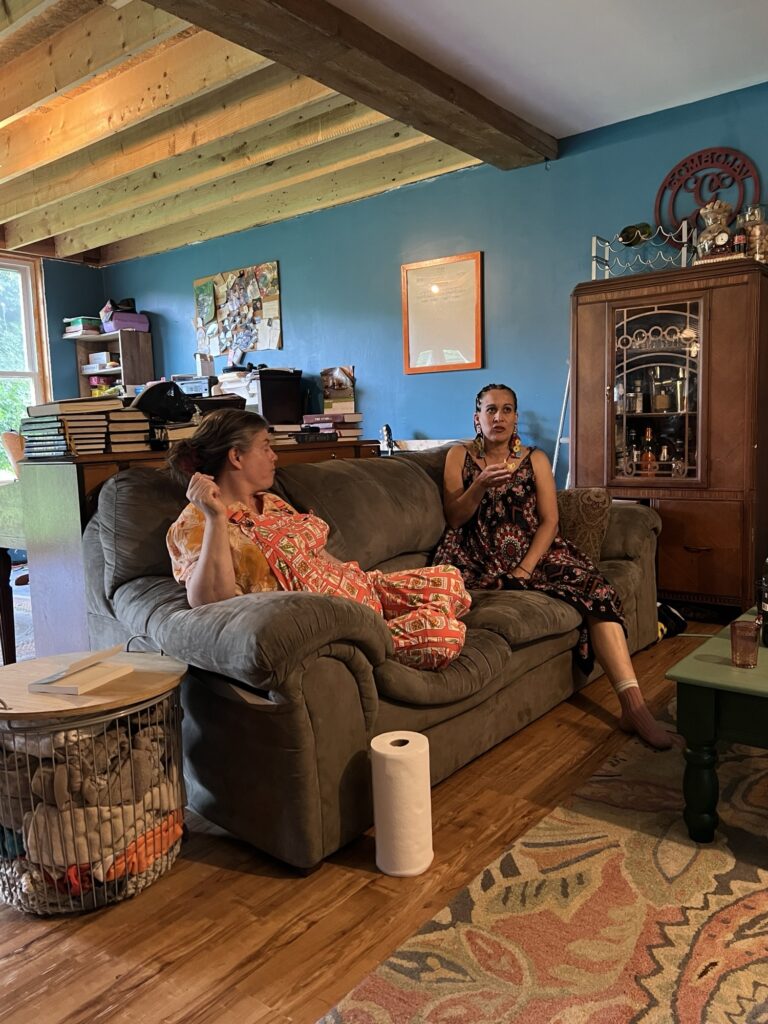
Recently, my best friend got married. Two days before the wedding, people arrived from all over the country. The men went to a pub to play pool for the bachelor party. I found myself in the living room with my best friend and a collection of women I had never met. I knew them only by name and from the stories my best friend would relay to me. She was the only link between all these women. But the conversation flowed along with the wine as we talked over everything that really mattered—parenting grown-up children, childbirth, marriage, therapy, menopause, and the best way to prepare wild mushrooms. Even with different family circumstances, different religious expressions, different ages, and vastly different personalities, there was that knowing. In short order, I could see why my best friend loved them. I was as curious and open to hearing their experiences as they were to hear mine. The friendship came smoothly….tenderly…without force. Mystery without negotiation.

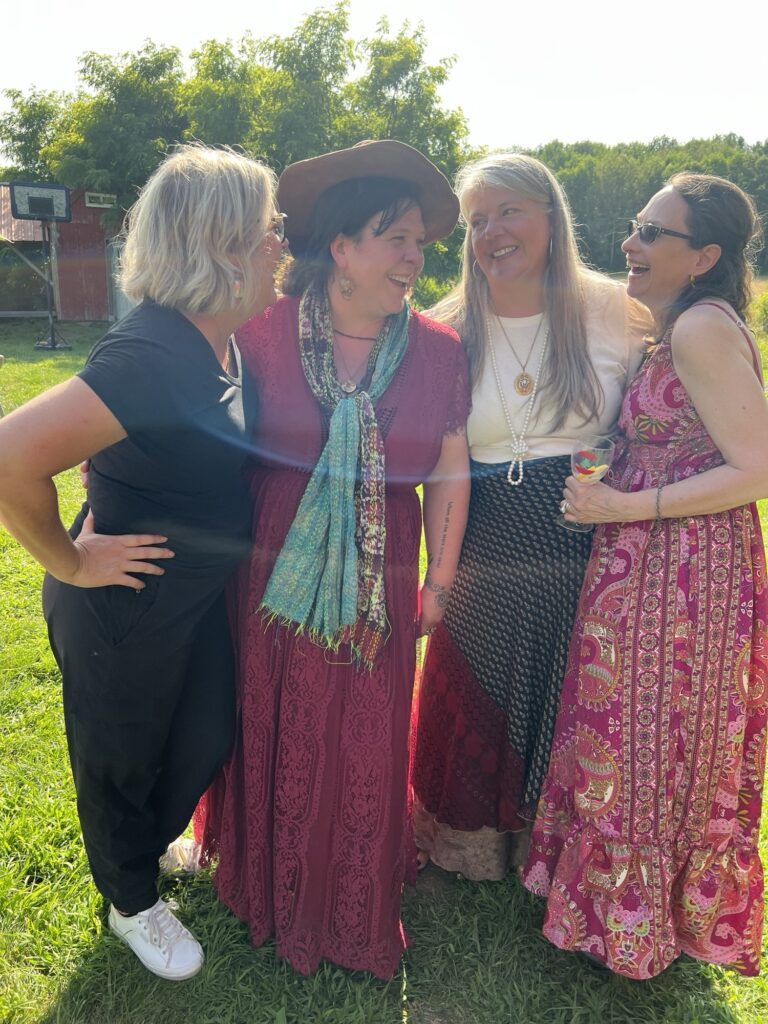
The way in which her friends surrounded my best friend on the day of her nuptials was more than just special. It was almost tangible in its holiness. Friendship multiplies, creatively giving birth to more connections. It is perhaps why true friendship between women is so fecund. Women are the natural (biologically and metaphysically) multiplier of things. Built into the theology of their bodies is the ability to nurture life in the empty and secret places and then give that life to the world.
The joy shared on that wedding day multiplied—particularly among the women who in turn gave that gift of joy to everyone present.
Again, we see CS Lewis gets it right when he says, “True friendship is the least jealous of loves. Two friends delight to be joined by a third, and three by a fourth, if only the newcomer is qualified to become a real friend. They can then say, as the blessed souls say in Dante, ‘Here comes one who will augment our loves.’ For in this love to divide is not to take away.”
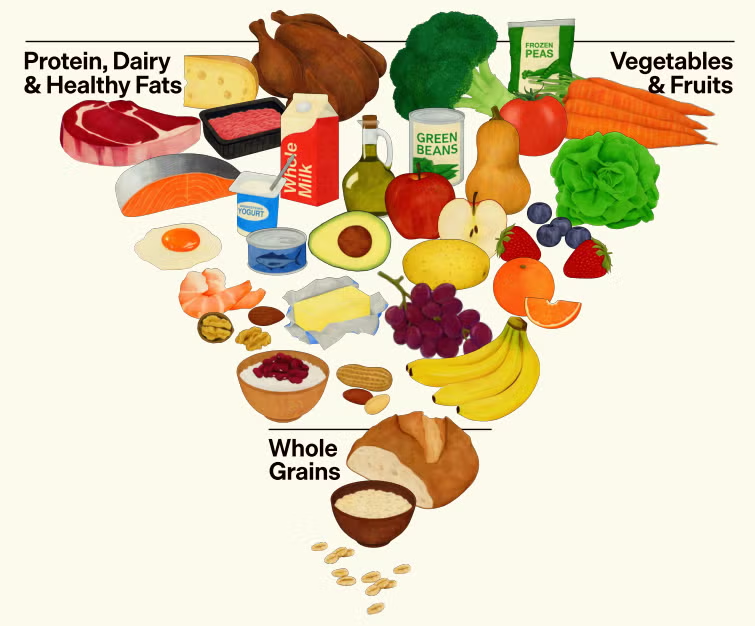 The New Food Pyramid and the Protein Panic: Why Simple Food Still Wins
 Tracking Your Cycle
 28 Days in Rhythm
 Gazpacho