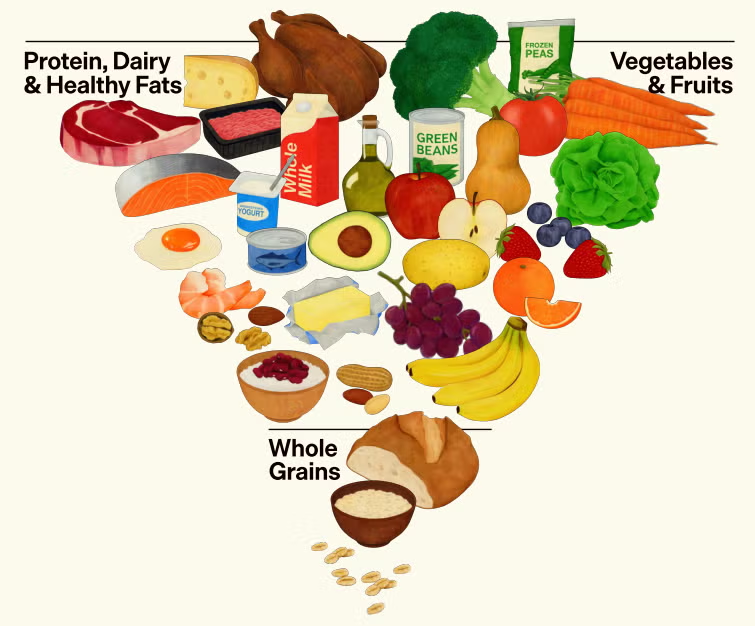
If you’ve been paying attention to the new food pyramid—or scrolling social media—you might think protein is the only nutrient that matters anymore. Protein bars, protein chips, protein coffee, protein water. Suddenly, everything has protein, and if it doesn’t, it’s being marketed as inadequate.
As a functional nutrition counselor, I’m seeing many clients feel anxious about “getting enough” protein, to the point where food choices are driven more by labels and hype than by nourishment. Let’s take a step back and talk about what’s really going on.
The Protein Obsession Didn’t Happen by Accident
Yes, protein is essential. It plays a critical role in muscle health, metabolism, hormones, immune function, and blood sugar balance. But the current obsession with protein isn’t just about health—it’s also about marketing.
Food companies know that protein sells. So what do they do?
- Add isolated proteins or a few amino acids to ultra-processed foods
- Slap “high-protein” or “protein-packed” on the front of the package
- Charge more for essentially the same product
A cookie with added whey protein is still a cookie. Chips with pea protein are still chips. Adding protein doesn’t magically turn processed food into a health food.
Protein Isn’t Just a Number
Another issue with the protein craze is the focus on grams alone. Your body doesn’t just need protein—it needs context.
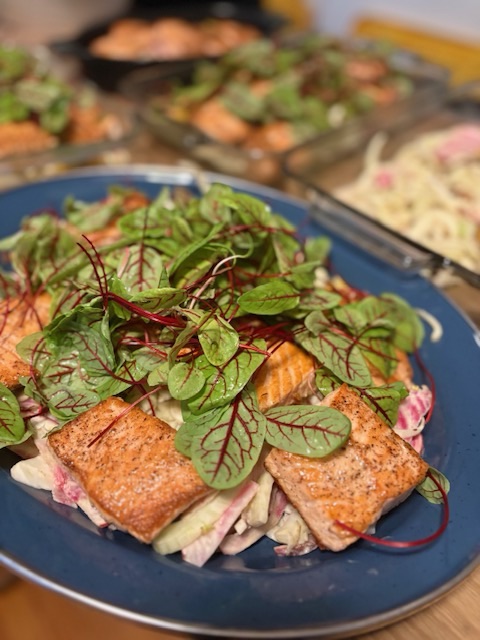
Whole foods provide:
- Protein with minerals, vitamins, fiber, and healthy fats
- Amino acids in ratios your body recognizes and can use efficiently
- Signals of safety and nourishment to your nervous system and gut
When protein is stripped out, isolated, and added back into processed foods, we lose much of that synergy.
Why Protein Still Matters—Especially for Healing
Protein is essential, particularly for cellular healing and repair. Amino acids—the building blocks of protein—are required to repair tissues, rebuild cells, produce enzymes and neurotransmitters, and support immune function. When the body is healing from injury, illness, chronic inflammation, or even ongoing stress, protein needs can increase because the demand for cellular repair is higher. Adequate protein also supports gut lining integrity, detoxification pathways in the liver, and the body’s ability to adapt and recover. The key point isn’t that protein is unnecessary—it’s that protein works best when it comes from whole, nutrient-dense foods that provide the full spectrum of amino acids along with the vitamins and minerals needed to use them effectively.
Simple Food Is Still the Foundation
The new food pyramid—despite all the noise—still points us back to something very simple: real food first.
High-quality protein doesn’t need fancy packaging:
- Eggs
- Fish and seafood
- Poultry and meat
- Beans and lentils
- Yogurt and fermented dairy
- Nuts and seeds
When these foods are eaten as part of balanced meals, most people naturally meet their protein needs—without tracking, obsessing, or buying specialty products.
When “More” Isn’t Better
More protein isn’t always the answer. In fact, chasing protein at the expense of:
- Fiber
- Micronutrients
- Variety
- Enjoyment of food
can backfire. I see clients undereating vegetables, skipping carbs entirely, or relying on bars and shakes because they’re afraid of missing a protein target. That’s not nourishment—that’s stress.
And stress, ironically, makes it harder for your body to digest and use nutrients effectively.
A More Grounded Way Forward
Instead of asking, “How can I get more protein?”
Try asking:
- “Am I eating mostly real, recognizable foods?”
- “Do my meals feel balanced and satisfying?”
- “Am I choosing foods because they nourish me—or because a label told me to?”
The goal isn’t to avoid protein. It’s to stop letting marketing dictate our choices.
Final Thought
Nutrition doesn’t need to be extreme to be effective. The most powerful dietary pattern is still built on simple, minimally processed foods eaten consistently over time.
You don’t need protein in everything.
You don’t need to chase numbers all day.
And you definitely don’t need to fall for the hype.
Simple food is still enough—and it always has been.
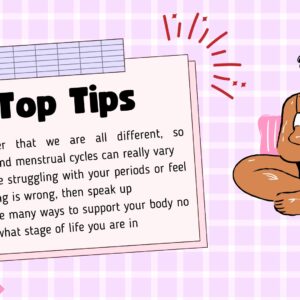 Tracking Your Cycle
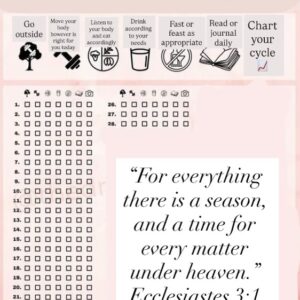 28 Days in Rhythm
 The Mystery of Friendship
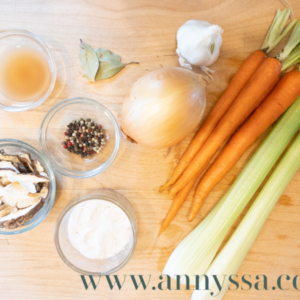 Bone Broth – Cooking Lessons with Chef Kristina