If I’m being honest, 2026 has been one of the hardest years of my life.
What’s interesting is that if you looked at my life from the outside, you probably wouldn’t know it. My family is doing well. There have been beautiful moments to celebrate. Work has been meaningful. On paper, everything looks good—even wonderful.
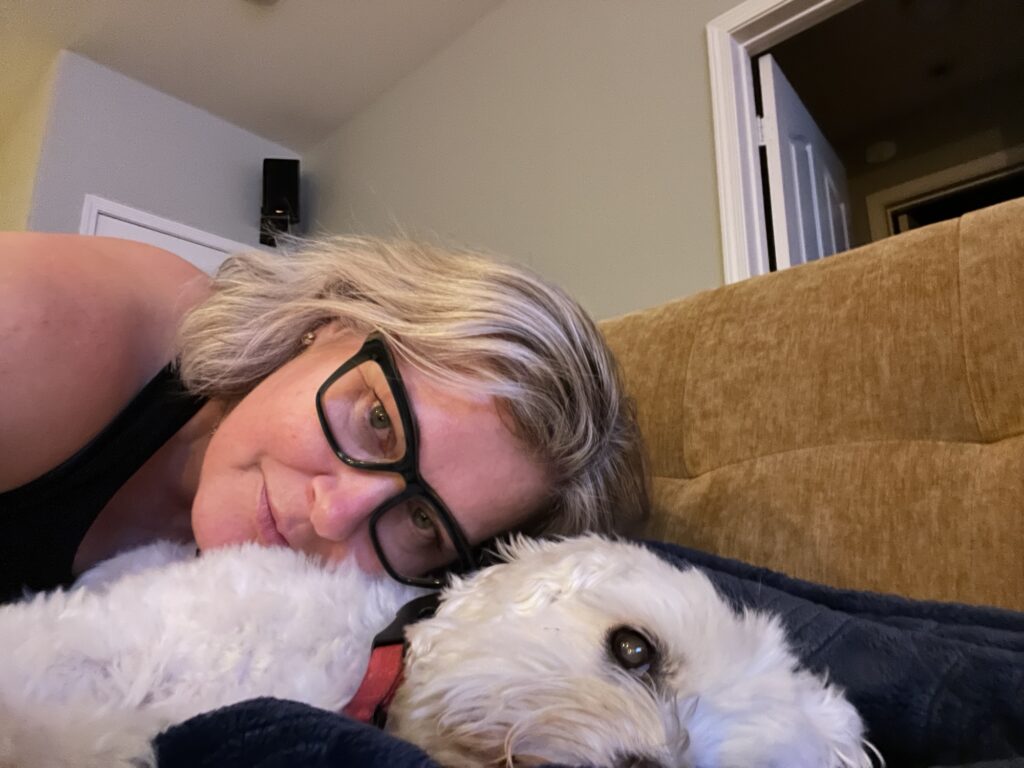
But beneath the surface, something was changing.
As a certified functional nutrition counselor and educator, I’ve spent years helping people understand how food, movement, sleep, stress management, and lifestyle work together to create health. I’ve taught these principles. I’ve lived them. And if I’m honest, I believed that if I did all the “right” things, I could navigate perimenopause and menopause naturally without needing additional support.
I thought I had it figured out.
I did not.
Little by little, I stopped feeling like myself.
Joy—the emotion that had always come so naturally—became harder to access. I wasn’t just having an occasional bad day. I felt sad more often than not. Small frustrations became outsized irritations. I found myself angry at people I deeply love. My patience was thin. My resilience was gone.
Then there was my body.
The weight kept creeping on despite eating well, exercising consistently, prioritizing sleep, and doing everything I would normally recommend. It didn’t make sense. The harder I tried to “fix” it, the more discouraged I became.
Perhaps the hardest part wasn’t the physical changes.
It was believing that because I knew better, I should be able to solve it on my own.
Knowledge is valuable, but it doesn’t make us immune to biology.
There came a moment when I had to admit something I didn’t want to admit:
I needed help.
Not because I had failed.
Not because nutrition had failed.
Not because lifestyle medicine doesn’t work.
I needed help because hormones matter.
Because there are seasons when our bodies need more support than food and movement alone can provide.
For me, that support included hormone replacement therapy. It also meant finding a coach of my own—someone who could help me see what I couldn’t see while I was living it.
That decision wasn’t a defeat.
It was wisdom.
One of the greatest lessons this year has taught me is that health isn’t about proving how little help we need. It’s about having the humility to receive the right help at the right time.
As practitioners, we can sometimes feel pressure to have all the answers. We can quietly believe we should be able to fix ourselves.
But we’re human first.
We deserve care, too.
If you’ve been feeling unlike yourself lately—if you’ve lost your joy, feel emotionally unlike the woman you’ve always been, or your body seems to have changed overnight—I want you to know something.
You’re not imagining it.
You’re not weak.
And you don’t have to white-knuckle your way through this season.
There is no prize for suffering silently.
There is only the invitation to become curious, seek wise counsel, and receive the support your body is asking for.
Today, I’m beginning to feel like myself again.
Not because I found a magic solution.
But because I finally stopped believing I had to do it alone.
If sharing this story helps even one woman release the shame of asking for help, then this difficult year will have given me a gift I couldn’t have imagined when it began.
Sometimes the healthiest thing we can do isn’t trying harder.
It’s allowing ourselves to be cared for.
 Why Food Outbreaks Make Me Appreciate Local Farmers’ Markets Even More!
 The New Food Pyramid and the Protein Panic: Why Simple Food Still Wins
 Tracking Your Cycle
 Rest Is A Necessity